Investigating parasite dynamics across scales
My research focuses on how parasites and pathogens spread and respond to change, with a focus on heterogeneity and cross-scale modelling

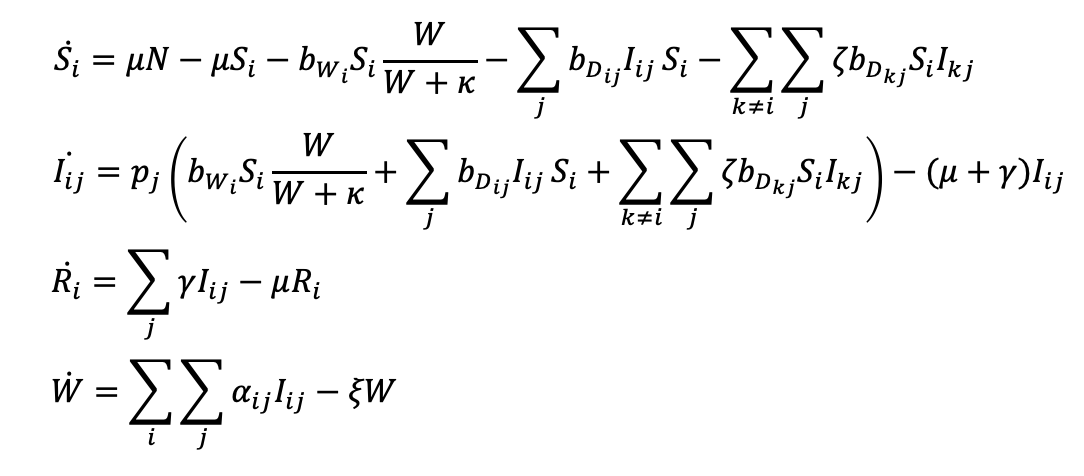
Transmission heterogeneity in waterborne disease
Waterborne diseases such as cholera still pose a large global burden, which is expected to worsen with climate change. Not all cholera infections are the same, however, and this heterogeneity has consequences for transmission, impact and control.
Key questions: How does heterogeneity in cholera transmission affect its overall dynamics? What does this mean for intervention success?
Approaches: multi-scale modelling, individual-based models (IBMs), ODEs/PDEs
Mistletoe dynamics across scales
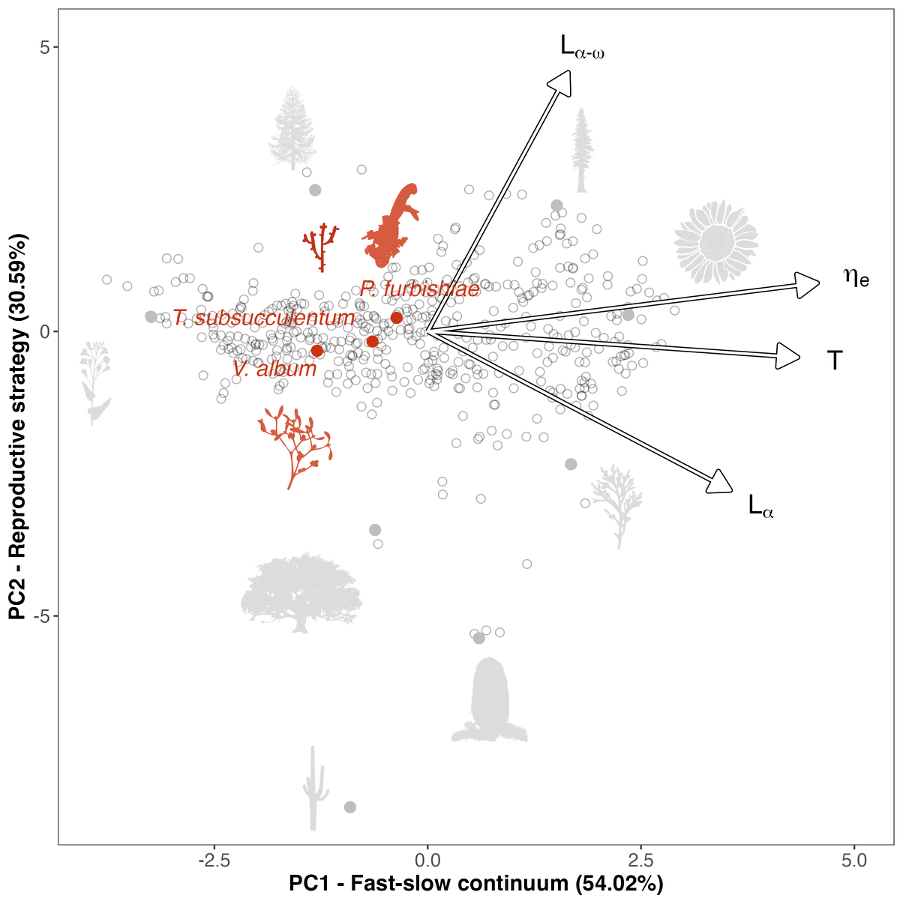
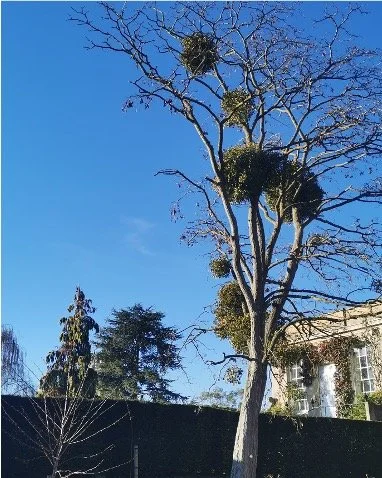
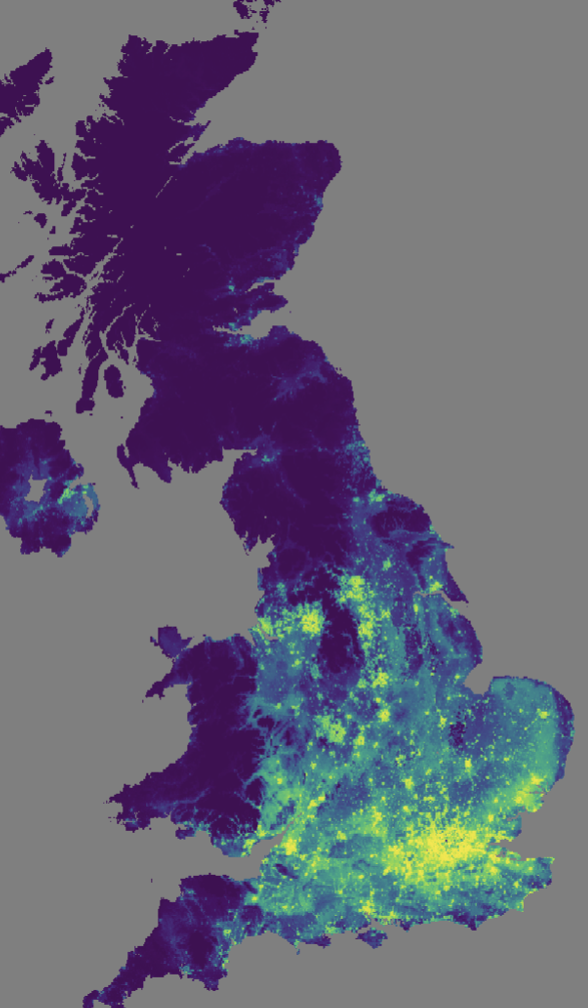
European mistletoe (Viscum album) is a parasitic plant that grows on host trees in clumps and is spread by birds. Due to their trackability, mistletoes offer an ideal macroparasite system in which to investigate host-parasite dynamics. Areas of interest include drivers of aggregation, responses to climate change, host specificity and life history strategies.
Key questions: What drives mistletoe aggregation, distribution, demographic processes? How do host, parasite and vector factors interact to shape mistletoe ecology?
Approaches: demographic models (e.g., IPMs), individual-based models (IBMs), species distribution modells (SDMs)